Introduction
Mobility and motor control are essential components of functional rehabilitation, enabling individuals to perform daily activities and maintain independence. The concept of mobility refers to the ability to move freely and easily, while motor control encompasses the coordination and regulation of movement. In the context of rehabilitation, understanding the intricacies of mobility and motor control is crucial for developing effective treatment plans. For instance, a patient with a spinal cord injury may require a comprehensive rehabilitation program that addresses both mobility and motor control to achieve optimal functional outcomes.
The importance of mobility in functional rehabilitation cannot be overstated. Mobility is a critical factor in maintaining physical function, preventing secondary complications, and promoting overall well-being. In the absence of adequate mobility, individuals may experience decreased muscle strength, reduced range of motion, and increased risk of falls and injuries. Furthermore, impaired mobility can lead to a decline in cardiovascular health, respiratory function, and mental well-being. A real-life example of the significance of mobility in functional rehabilitation is the case of a patient who underwent a total hip replacement surgery. Following the surgery, the patient required a rehabilitation program that focused on improving mobility and motor control to achieve optimal functional outcomes and prevent complications such as deep vein thrombosis.
Theoretical frameworks and models of motor control provide a foundation for understanding the complex processes involved in movement. These frameworks include the systems theory, the motor control theory, and the dynamic systems theory, among others. Each of these theories offers unique insights into the mechanisms underlying motor control, enabling clinicians to develop targeted interventions that address specific aspects of movement. For example, the systems theory posits that motor control is a hierarchical process, with higher-level systems controlling and coordinating the actions of lower-level systems. This theory has been applied in the development of rehabilitation programs for patients with neurological disorders, such as stroke and spinal cord injury.
Defining mobility and motor control
Mobility refers to the ability to move freely and easily, encompassing a range of movements, from simple actions like walking and standing to complex activities like running and jumping. Motor control, on the other hand, involves the coordination and regulation of movement, including the integration of sensory information, motor planning, and execution. The definition of mobility and motor control is critical in the context of rehabilitation, as it provides a framework for assessing and addressing movement impairments. For instance, a patient with a traumatic brain injury may exhibit impaired mobility and motor control, requiring a comprehensive rehabilitation program that addresses these deficits.
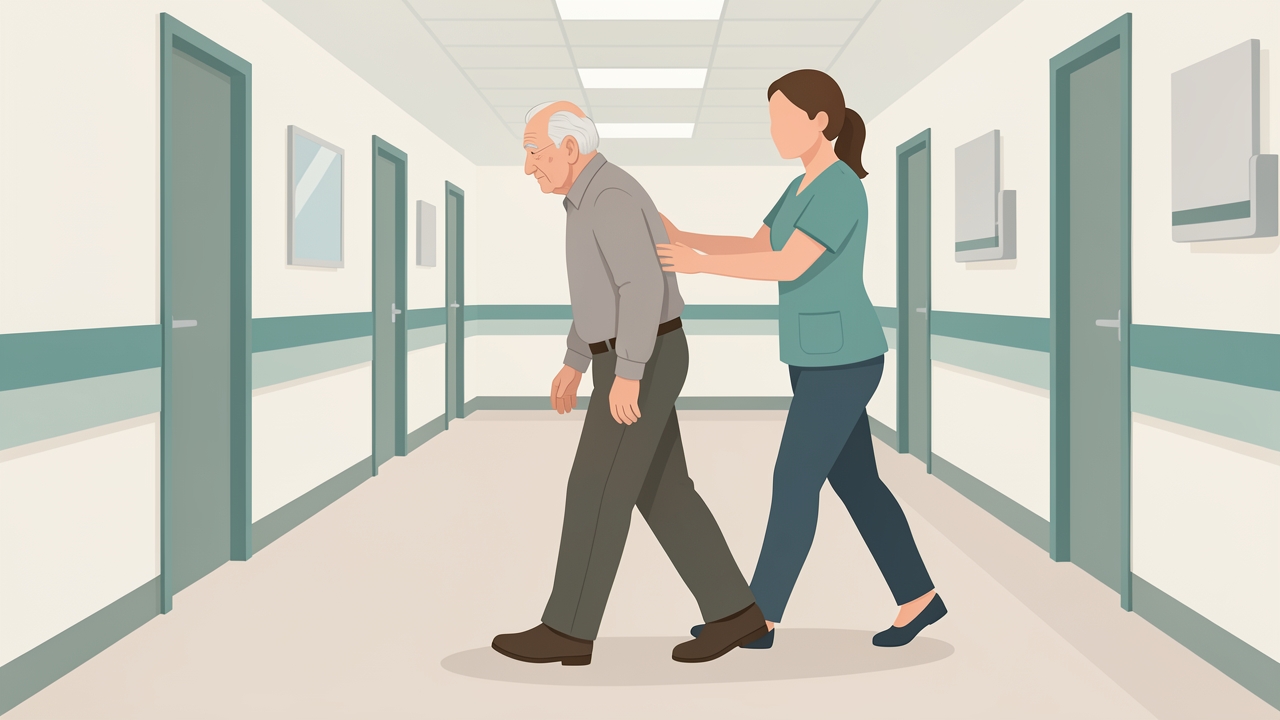
Parkinson's disease: bradykinesia, rigidity and postural instability limit mobility, so assessment covers gait, balance and coordination.
A real clinical example of defining mobility and motor control is the case of a patient with a diagnosis of Parkinson's disease. This patient presented with symptoms of bradykinesia, rigidity, and postural instability, which significantly impacted their mobility and motor control. A thorough assessment of the patient's mobility and motor control was conducted, including evaluations of their gait, balance, and coordination. The results of the assessment informed the development of a targeted rehabilitation program that focused on improving the patient's mobility and motor control, with the goal of enhancing their overall functional ability and quality of life.
Importance of mobility in functional rehab
Mobility is a critical component of functional rehabilitation, as it enables individuals to perform daily activities, maintain independence, and participate in recreational and social activities. The importance of mobility in functional rehabilitation is multifaceted, encompassing physical, psychological, and social benefits. Physically, mobility helps maintain muscle strength, flexibility, and range of motion, reducing the risk of secondary complications like deep vein thrombosis and pressure ulcers. Psychologically, mobility promotes a sense of autonomy, self-esteem, and overall well-being, while socially, it enables individuals to engage in social activities, maintain relationships, and participate in community events.

After total knee replacement, rehab targets range of motion, strength and coordination so daily tasks like walking and stair climbing feel easy and confident.
A real clinical example of the importance of mobility in functional rehabilitation is the case of a patient who underwent a total knee replacement surgery. Following the surgery, the patient required a rehabilitation program that focused on improving mobility and motor control to achieve optimal functional outcomes. The rehabilitation program included exercises and activities that targeted the patient's range of motion, strength, and coordination, with the goal of enabling the patient to perform daily activities, such as walking and climbing stairs, with ease and confidence.
Overview of motor control theories
Motor control theories provide a framework for understanding the complex processes involved in movement, enabling clinicians to develop targeted interventions that address specific aspects of motor control. The systems theory, for example, posits that motor control is a hierarchical process, with higher-level systems controlling and coordinating the actions of lower-level systems. The motor control theory, on the other hand, emphasizes the importance of sensory information, motor planning, and execution in the regulation of movement. The dynamic systems theory offers a more holistic perspective, emphasizing the interplay between the individual, the environment, and the task in shaping motor behavior.
A real clinical example of the application of motor control theories is the case of a patient with a diagnosis of cerebral palsy. This patient presented with spasticity, weakness, and impaired coordination, which significantly impacted their motor control. A comprehensive assessment of the patient's motor control was conducted, including evaluations of their sensory integration, motor planning, and execution. The results of the assessment informed the development of a targeted rehabilitation program that incorporated principles from the systems theory, motor control theory, and dynamic systems theory, with the goal of improving the patient's motor control and overall functional ability.
Summary and Key Takeaways
- Mobility and motor control are essential components of functional rehabilitation.
- Mobility refers to the ability to move freely and easily, while motor control involves the coordination and regulation of movement.
- The importance of mobility in functional rehabilitation is multifaceted, encompassing physical, psychological, and social benefits.
- Motor control theories provide a framework for understanding the complex processes involved in movement, enabling clinicians to develop targeted interventions.
- The systems theory, motor control theory, and dynamic systems theory are examples of motor control theories that can inform rehabilitation practice.
Clinical Pearl
When assessing mobility and motor control in patients with neurological disorders, consider using standardized outcome measures, such as the Berg Balance Scale (sensitivity: 0.91, specificity: 0.85) or the Timed Up and Go test (sensitivity: 0.87, specificity: 0.82), to evaluate their functional ability and inform rehabilitation planning. Additionally, incorporate principles from motor control theories, such as the systems theory and dynamic systems theory, to develop targeted interventions that address specific aspects of motor control. For example, use the Manual Muscle Testing (MMT) grades (0-5) to assess muscle strength and the Visual Analog Scale (VAS) scores (0-10) to evaluate pain and functional ability. By using these tools and principles, clinicians can develop comprehensive rehabilitation programs that promote optimal functional outcomes and improve overall quality of life for patients with mobility and motor control impairments.
References
-
Shumway-Cook A, Woollacott MH. Motor Control: Translating Research into Clinical Practice. 5th ed. Philadelphia: Wolters Kluwer; 2017.
-
Kisner C, Colby LA, Borstad J. Therapeutic Exercise: Foundations and Techniques. 7th ed. Philadelphia: F.A. Davis; 2018.
-
Latash ML, Levin MF, Scholz JP, Schöner G. Motor control theories and their applications. Medicina (Kaunas). 2010;46(6):382-392.
-
Bernstein NA. The Co-ordination and Regulation of Movements. Oxford: Pergamon Press; 1967.
-
Thelen E, Smith LB. A Dynamic Systems Approach to the Development of Cognition and Action. Cambridge, MA: MIT Press; 1994.
-
Hornby TG, Reisman DS, Ward IG, et al. Clinical practice guideline to improve locomotor function following chronic stroke, incomplete spinal cord injury, and brain injury. Journal of Neurologic Physical Therapy. 2020;44(1):49-100.
-
Winstein CJ, Stein J, Arena R, et al. Guidelines for adult stroke rehabilitation and recovery: a guideline for healthcare professionals from the American Heart Association/American Stroke Association. Stroke. 2016;47(6):e98-e169.
-
Kleim JA, Jones TA. Principles of experience-dependent neural plasticity: implications for rehabilitation after brain damage. Journal of Speech, Language, and Hearing Research. 2008;51(1):S225-S239.