Exam prep ·
NPTE Study Plan: A Step-by-Step Approach
A practical NPTE study plan: know the exam format, use the FSBPT outline, take a baseline test, build a weekly schedule and practise with timed MCQs.

physioai
Instagram post
1/10

This article sets out a step-by-step study plan for the National Physical Therapy Examination (NPTE), the US licensure exam for physical therapists. It covers what to know about the exam before you start, how to structure your weeks, and how to use practice questions, an error log and full-length simulations.
Key takeaways
- Learn the exam format and scoring first: 250 multiple-choice questions, scored on a 200–800 scale, with 600 needed to pass.
- Study from the official FSBPT content outline and start with high-weight areas and your weakest systems.
- Take a timed baseline test in week one and re-test every two to three weeks.
- Spend most of your time on exam-style MCQs, and keep an error log of every question you miss.
- Use the final week for weak areas and rest, not new material.
Step 1: Know the exam before you study
The NPTE is developed and administered by the Federation of State Boards of Physical Therapy (FSBPT). Passing it is required for licensure in all 50 US states and the US territories. It is offered year-round at Pearson VUE test centres once you receive your Authorization to Test (ATT) from FSBPT.
The numbers to lock in first:
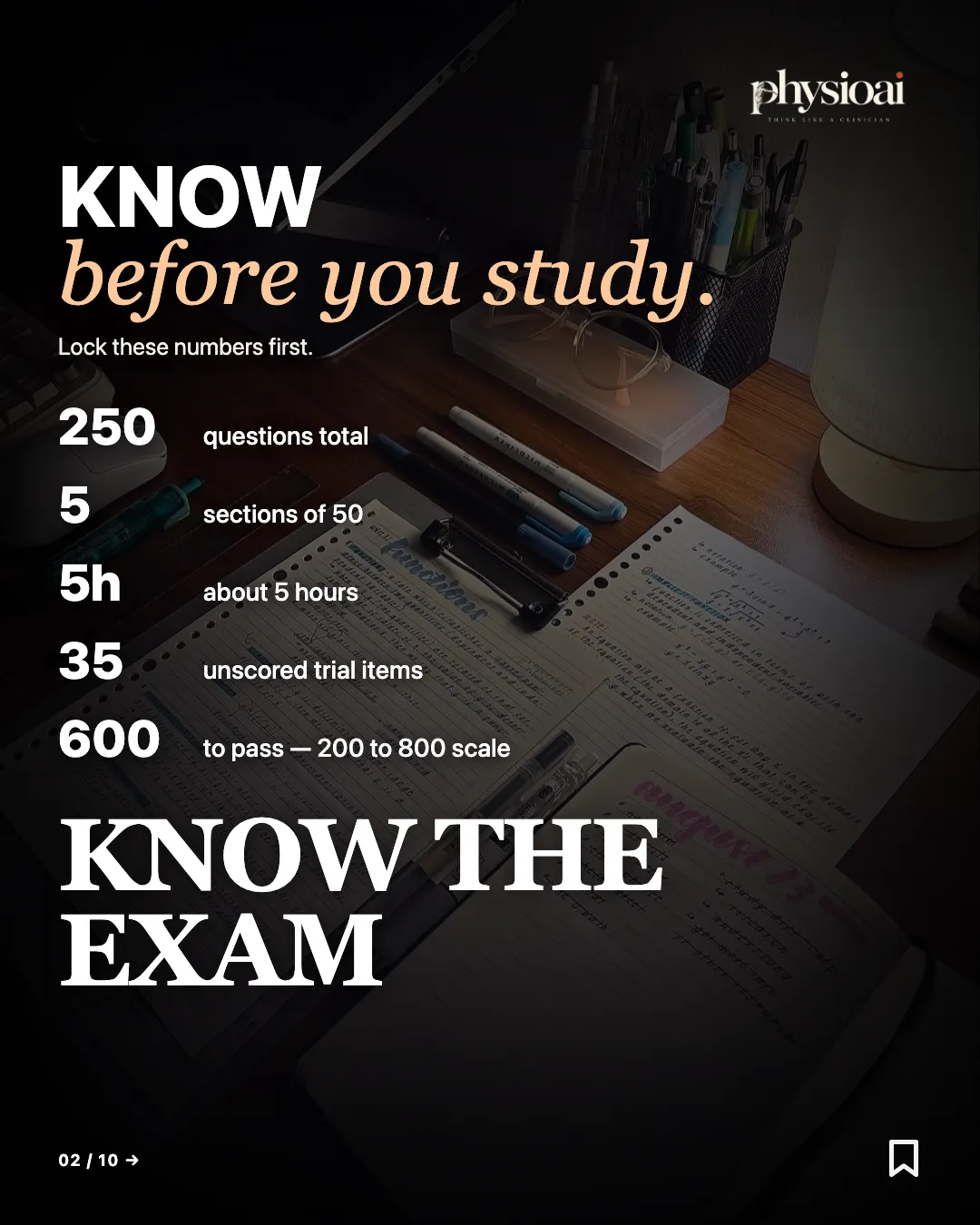
- 250 multiple-choice questions, delivered in five sections of 50.
- About 5 hours of testing time.
- 200 scored questions and 50 unscored pretest items. You cannot tell which items are unscored, so treat every question as if it counts.
- Scaled score of 200 to 800, with 600 needed to pass. Scores reflect both the number of questions answered correctly and the difficulty of those questions.
To be eligible, US candidates graduate from a CAPTE-accredited physical therapy program, are at least 18, apply through their state licensing board and complete the FSBPT application. Internationally educated physical therapists first complete credentialing through the Foreign Credentialing Commission on Physical Therapy (FCCPT). Always confirm current rules with FSBPT and your state board.
Step 2: Start with the official content outline
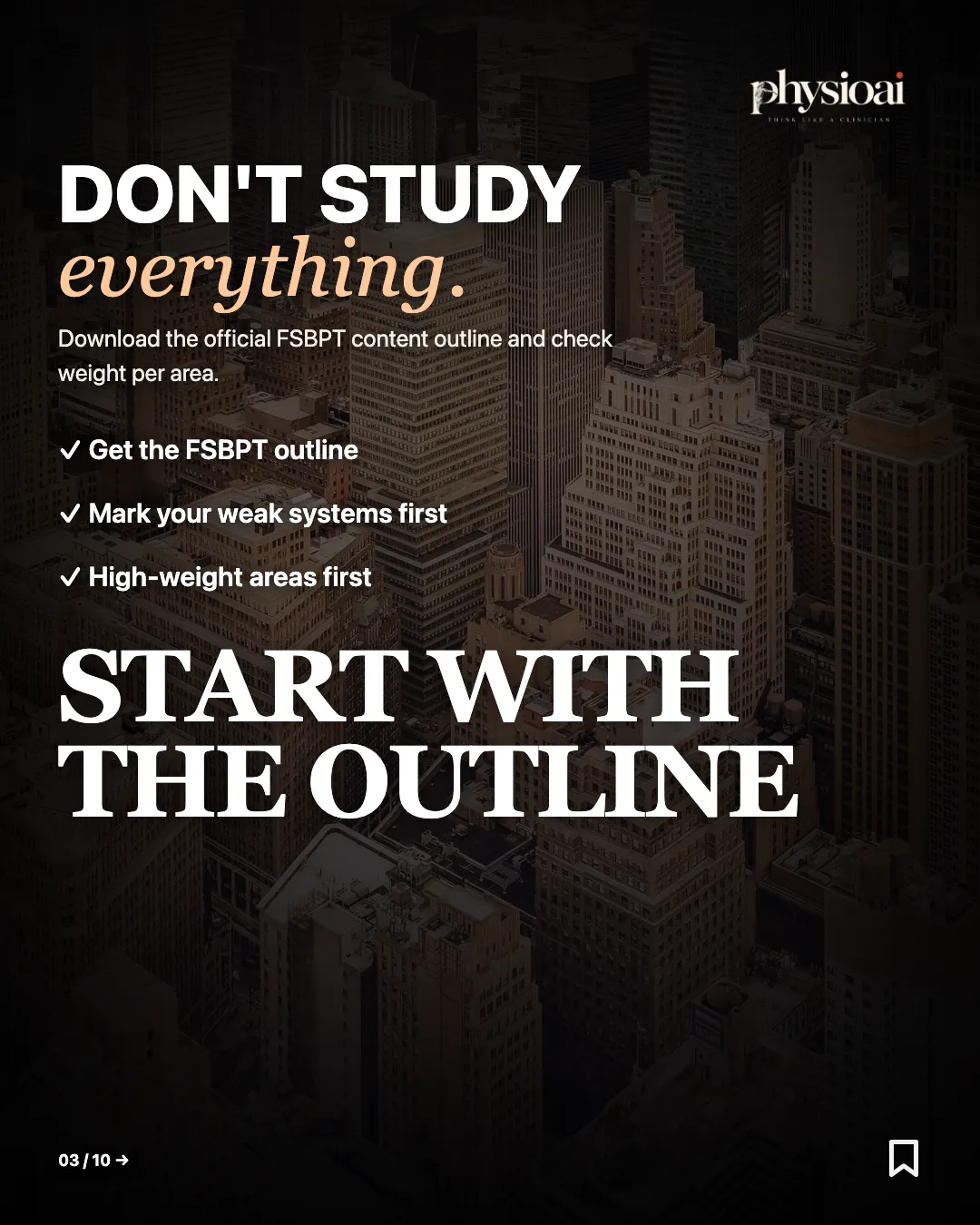
You cannot study everything, and you should not try. Download the official FSBPT content outline and check how much weight each area carries. Then:
- Mark your weakest body systems first.
- Put high-weight areas at the front of your plan.
- Use the outline as a checklist so your study time follows the exam, not your favourite topics.
Step 3: Take a baseline test in week one
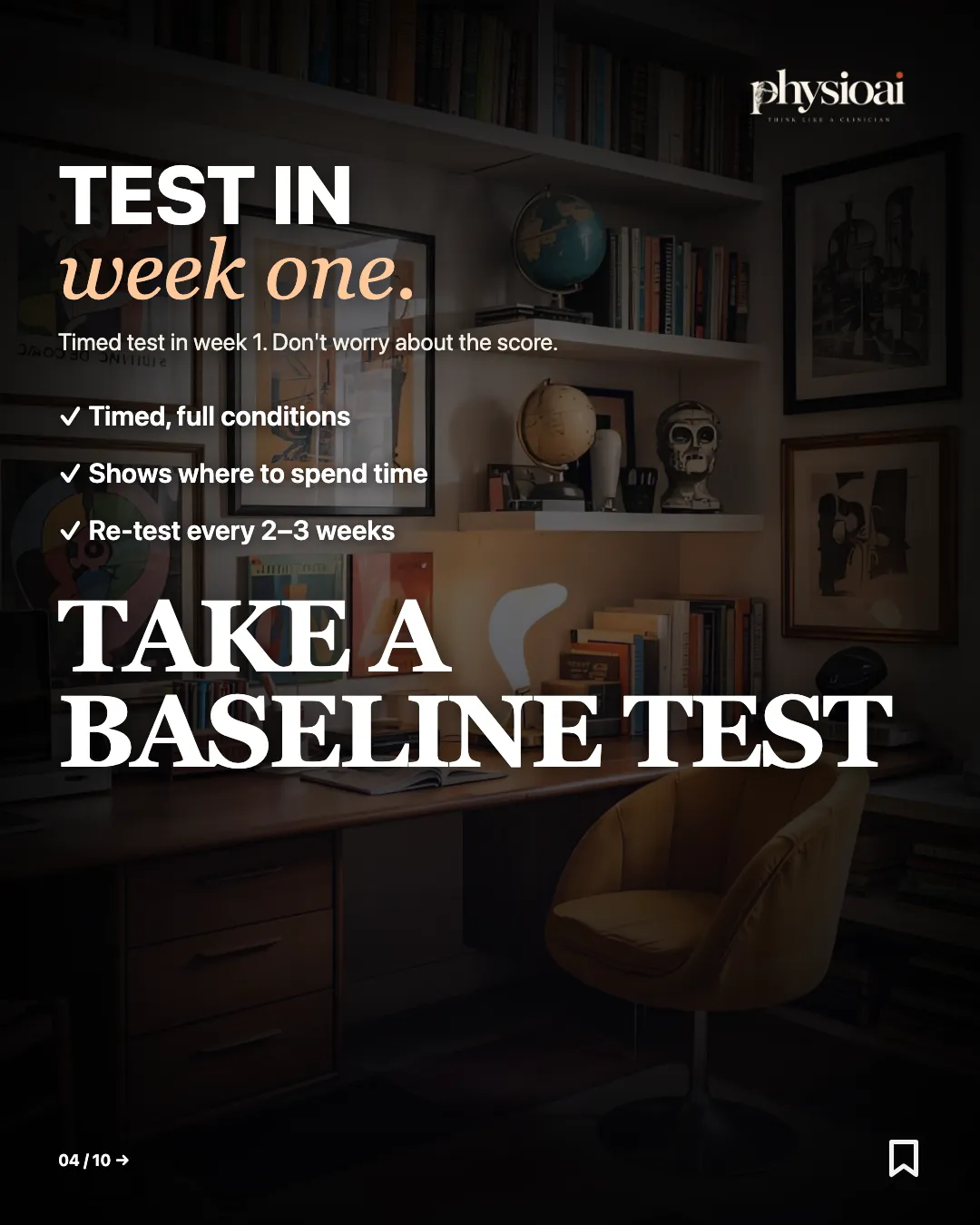
Sit a timed practice test under full exam conditions in your first week. Do not worry about the score. Its job is to show where your time should go. Re-test every two to three weeks to see whether your plan is working, and adjust it based on the results.
Step 4: Build a weekly schedule
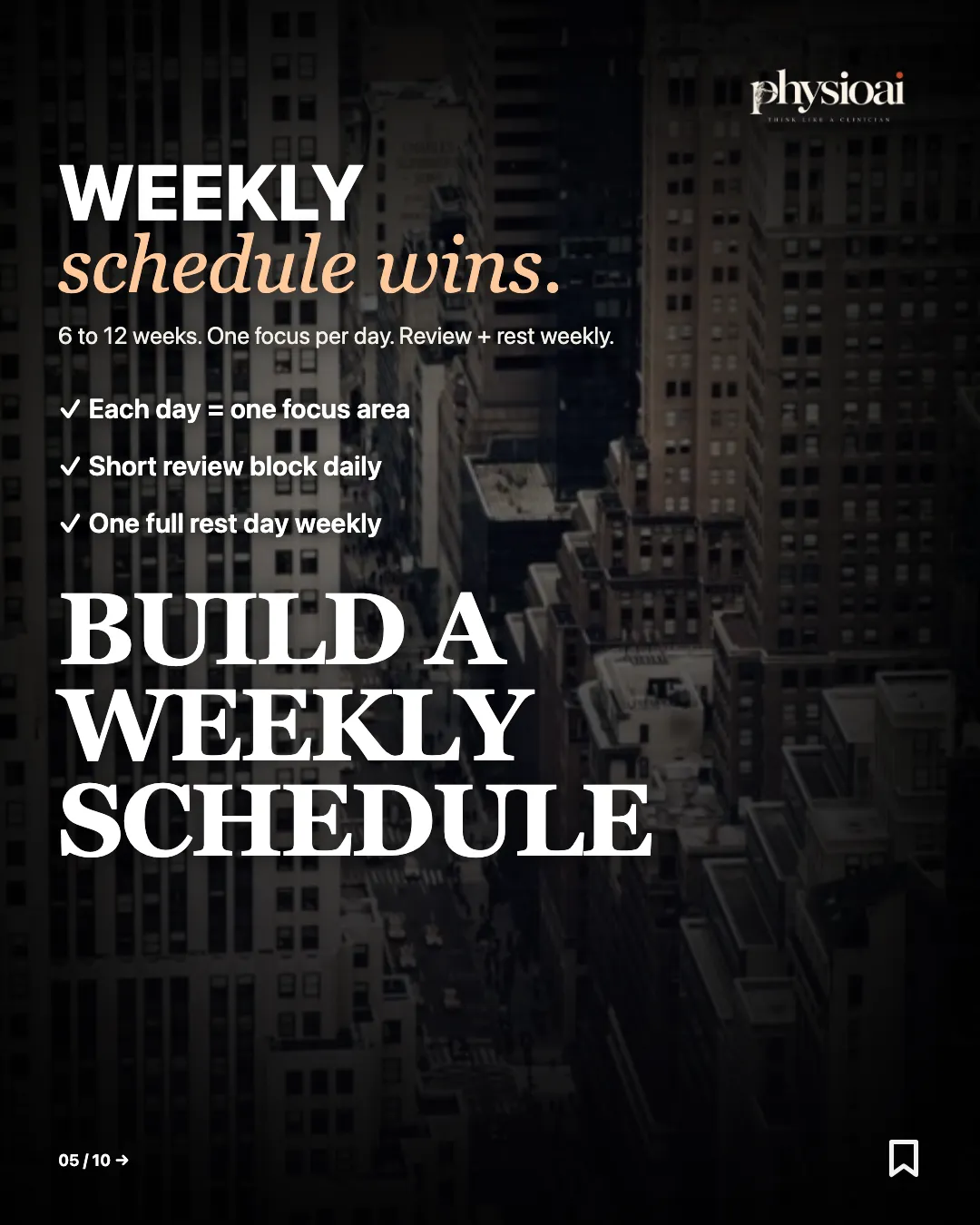
Plan in blocks of 6 to 12 weeks. Many candidates prepare over three to six months in total, depending on their starting point. A simple structure works well:
- Give each study day one focus area, such as musculoskeletal, neuromuscular or cardiovascular and pulmonary.
- Add a short review block every day to revisit earlier material.
- Keep one full rest day each week.
A schedule you can follow consistently is worth more than an ambitious one you abandon in week three.
Step 5: Prioritise questions over notes
Re-reading notes feels productive, but answering exam-style multiple-choice questions builds the clinical reasoning the NPTE tests. Spend most of your study time on practice questions. Read the rationale for every question, including the ones you got right. A correct answer reached by guessing or partial reasoning is still a gap.
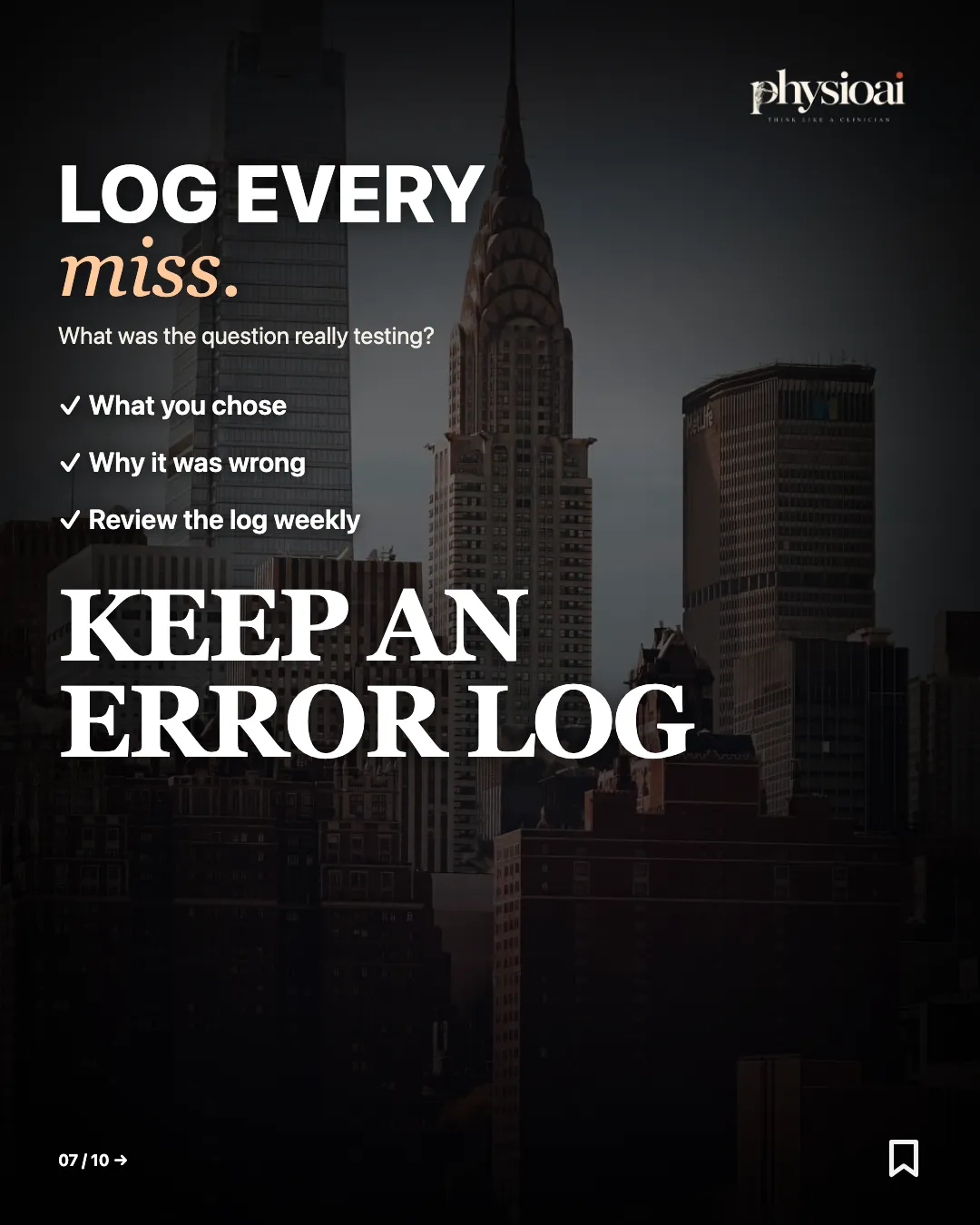
Step 6: Keep an error log
For every question you miss, write down:
- What the question was really testing.
- Which option you chose.
- Why it was wrong, and why the correct answer was better.
Review the log every week. Patterns appear quickly, for example repeated errors on a single body system, on prioritisation questions, or on reading the stem too fast.
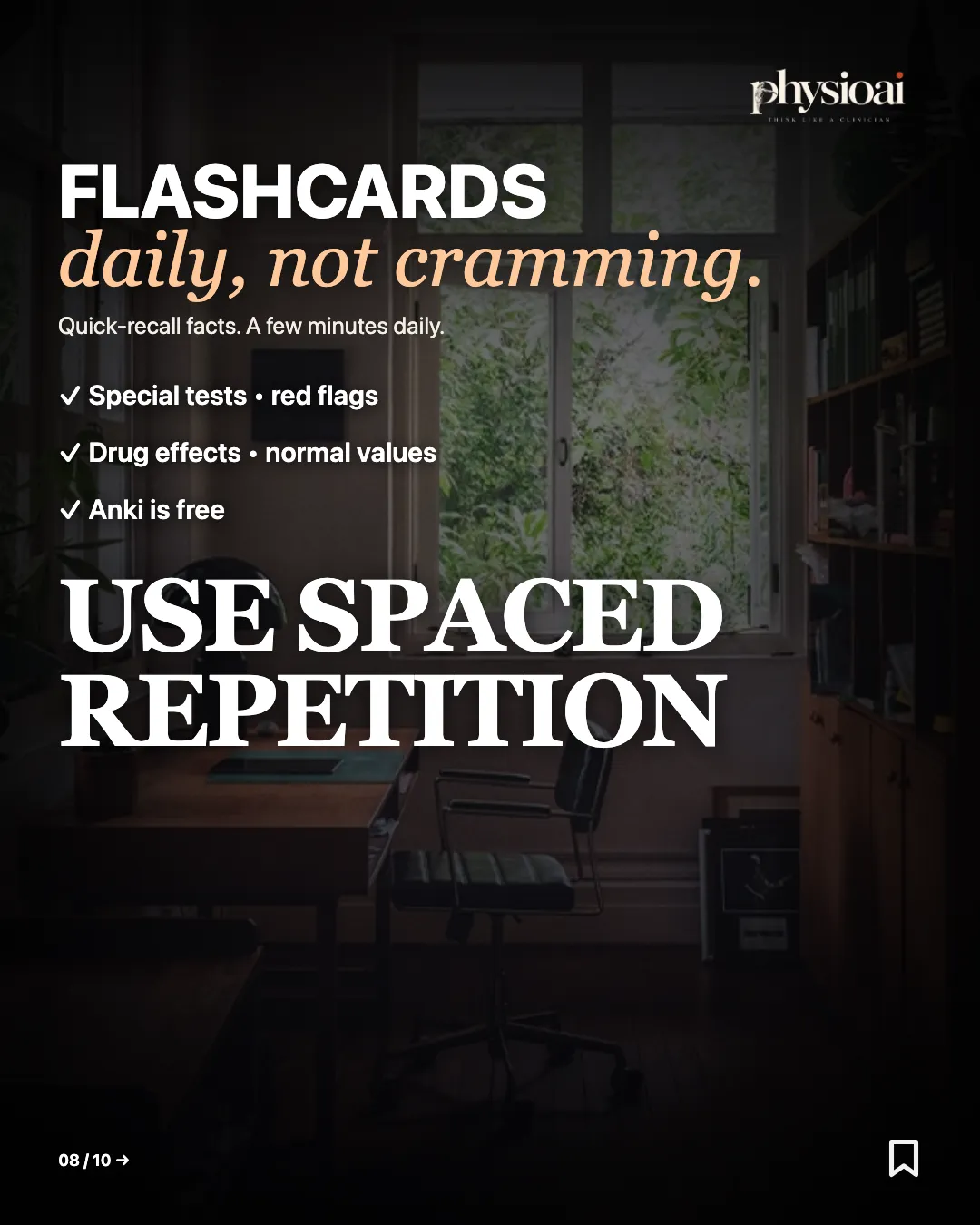
Step 7: Use spaced repetition for quick-recall facts
Some content is pure recall: special tests, red flags, drug effects and normal values. Flashcards reviewed for a few minutes every day hold these facts better than cramming. Free spaced-repetition tools such as Anki work well for this.
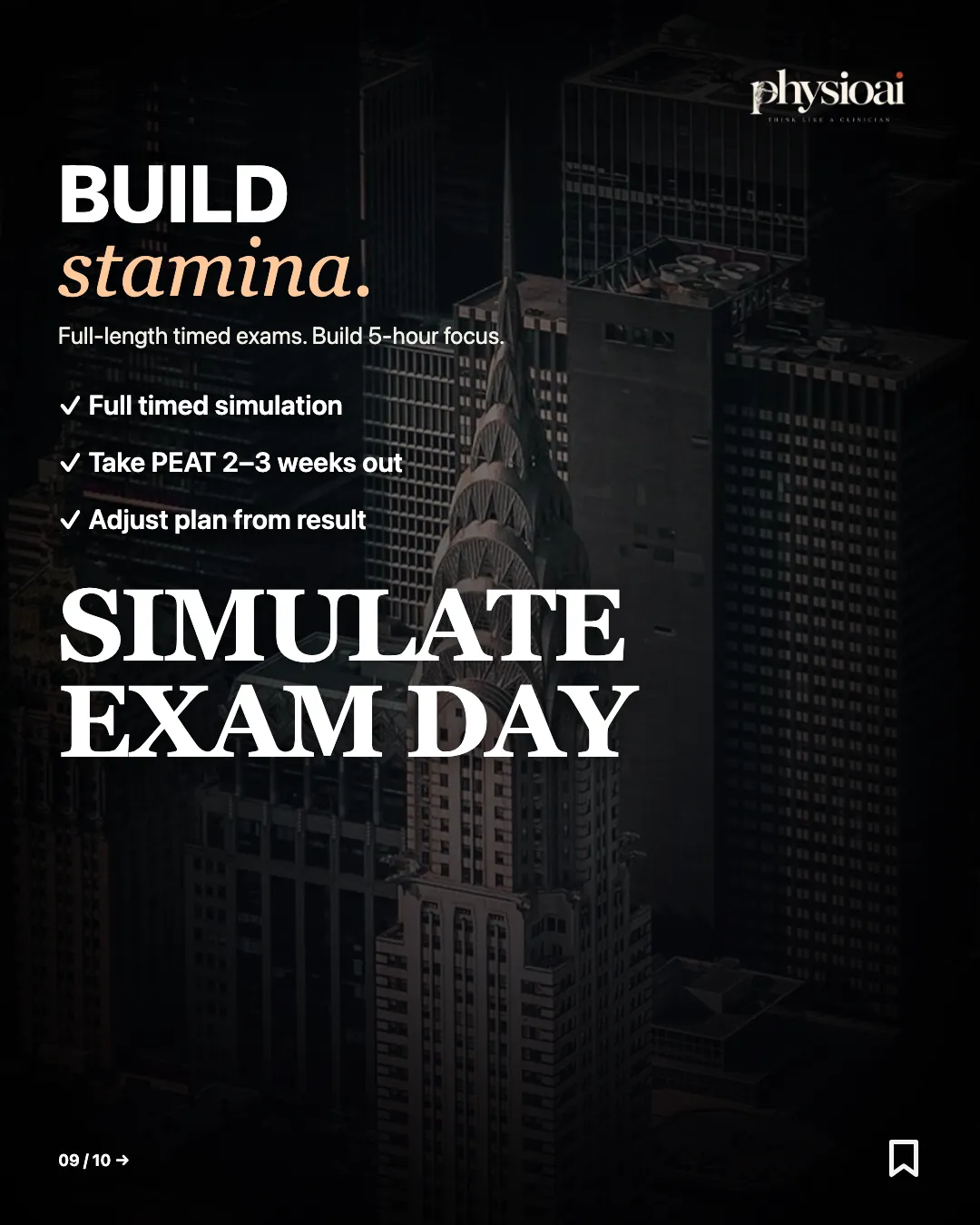
Step 8: Simulate exam day
A five-hour exam needs stamina as well as knowledge. Take full-length, timed practice exams to build your focus. FSBPT's official Practice Exam and Assessment Tool (PEAT) is a useful checkpoint about two to three weeks before your test date. Use the result to adjust the final part of your plan.
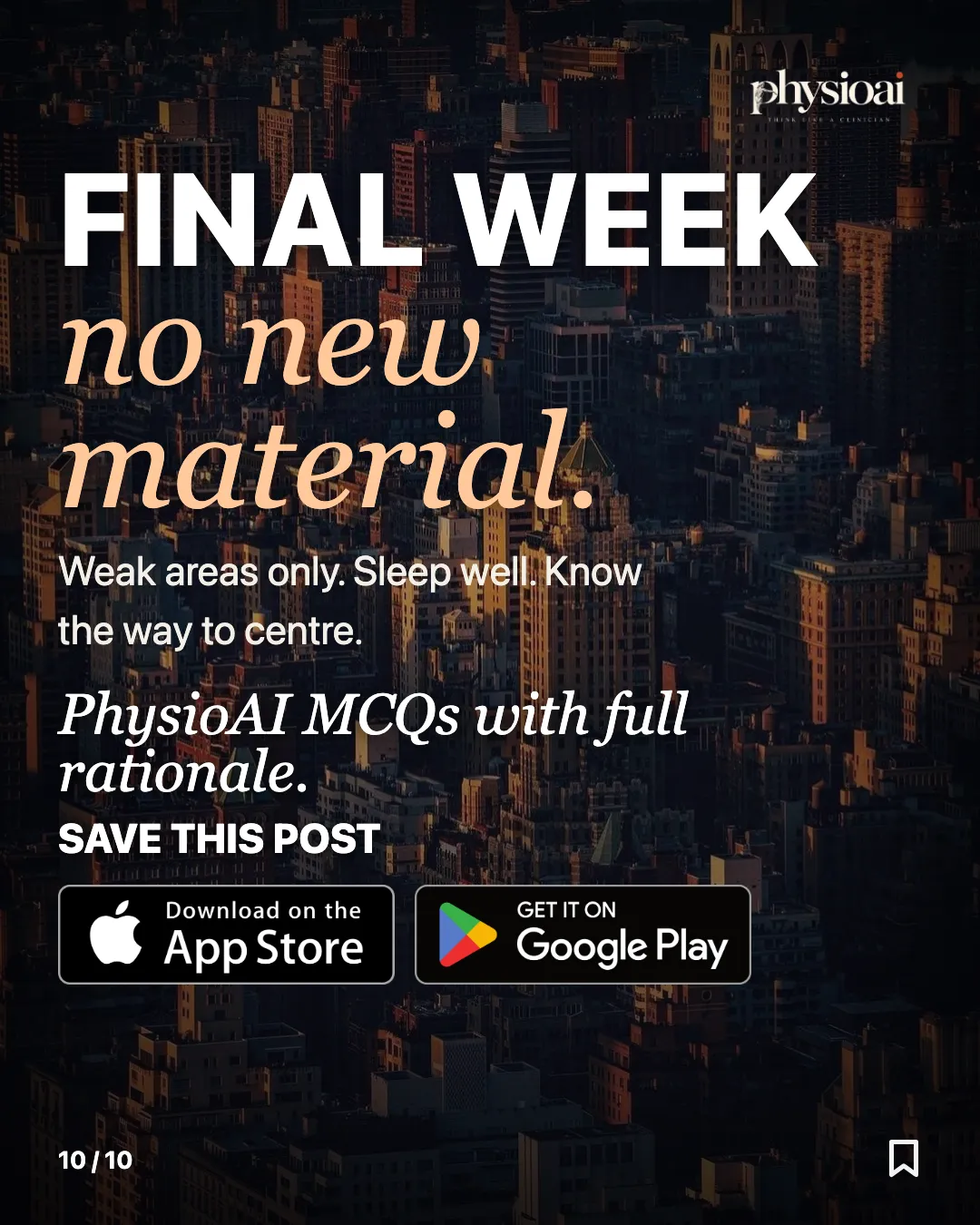
Step 9: Final week, no new material
In the last week, review only your weak areas and your error log. Sleep well, keep your routine steady, and make sure you know the route to your test centre and what to bring on the day.
Practise for the NPTE with PhysioAI
PhysioAI's NPTE preparation includes full-length mock tests in the NPTE format, clinic-based case scenario tests, flashcards and narrated audio, with a rationale for every question. Results break down by body system and domain, with a national percentile ranking. A free sample mock test and sample flashcards are available before you buy.